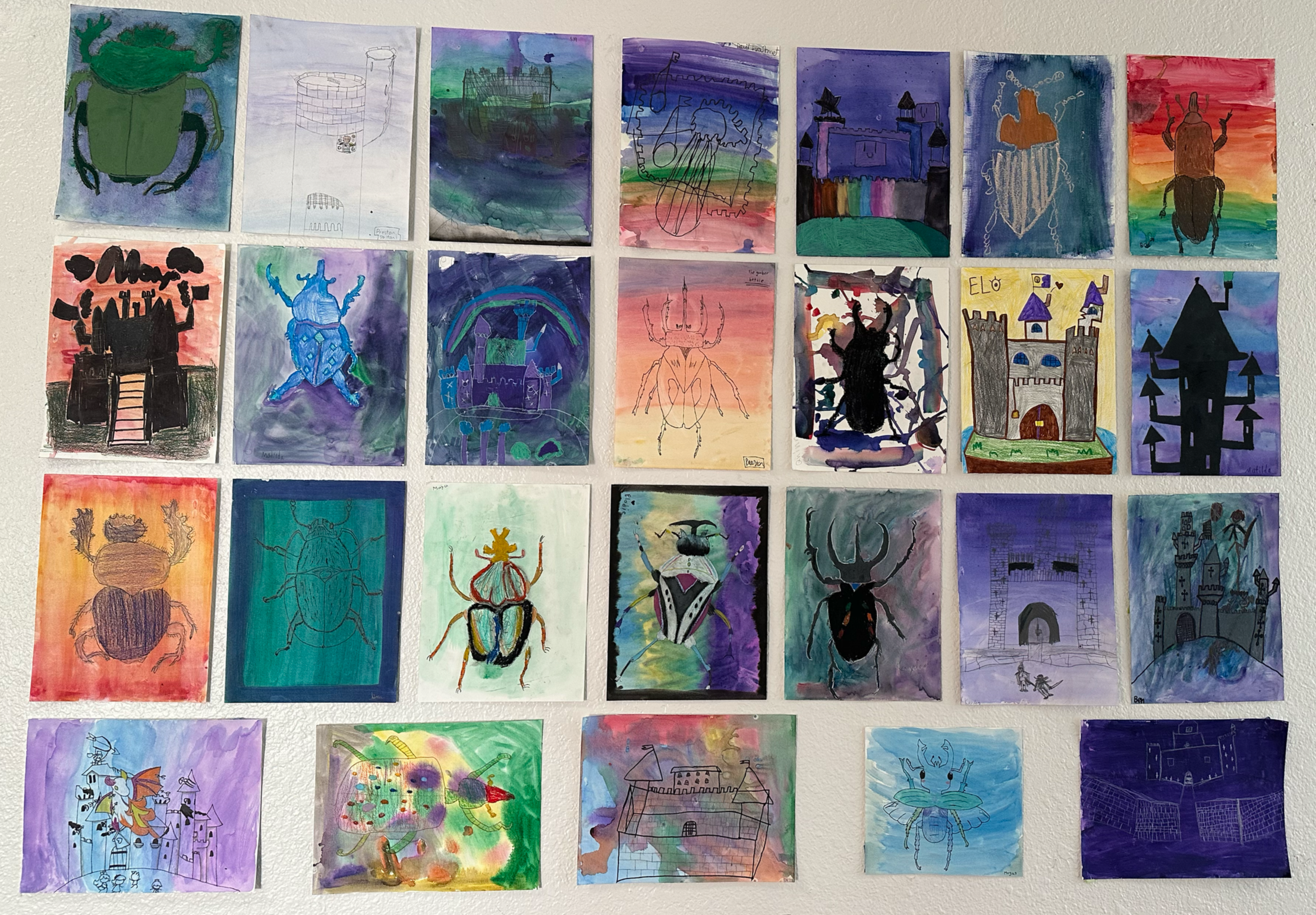
In order for students to achieve that creative freedom, I provide foundational skills needed to explore and organize ideas and materials. The key is pointing out and celebrating their discoveries so they feel empowered to navigate and forge new creative pathways independently
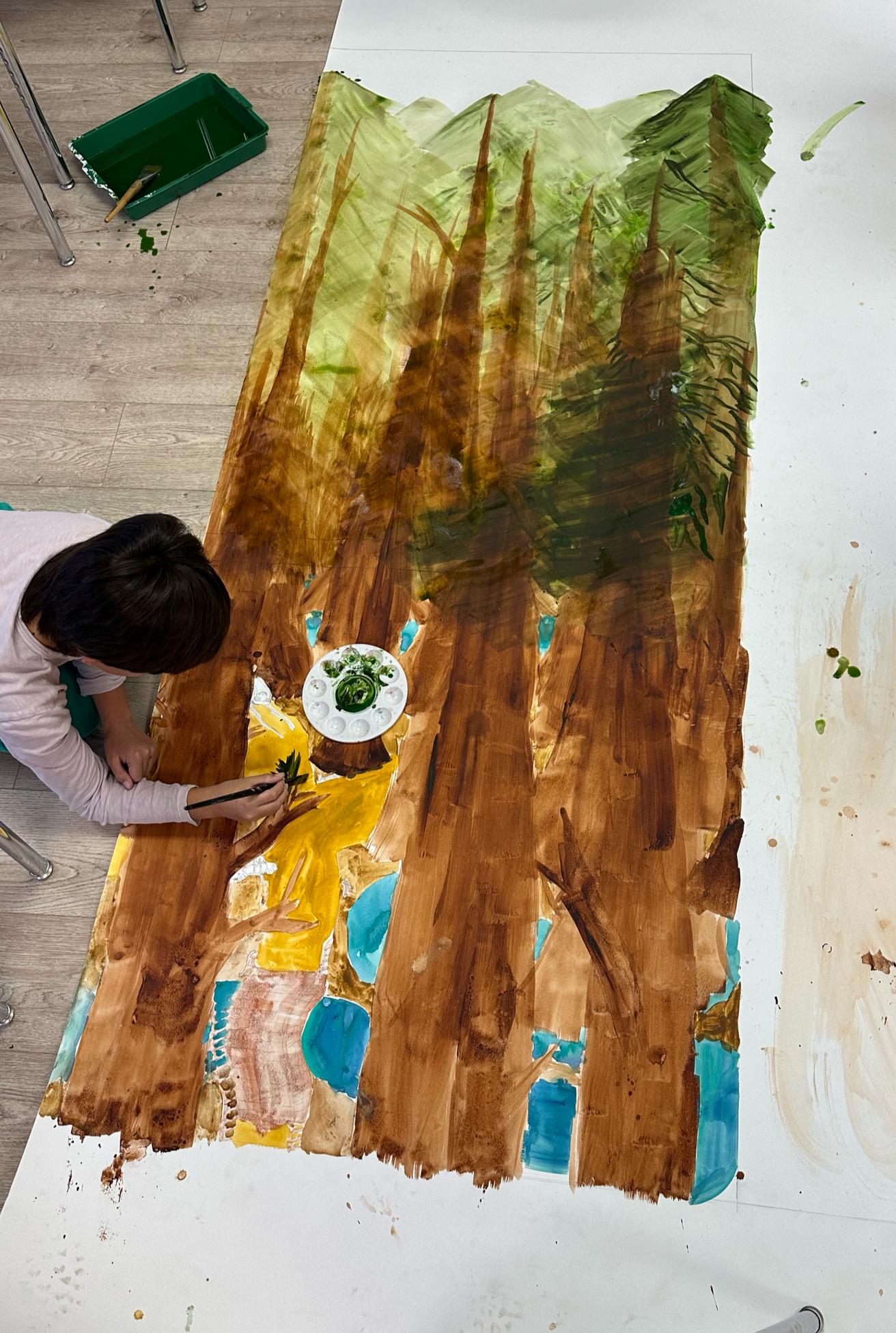
In previous years as an art teacher, I created an ancient art history curriculum that was driven by story telling and mythology. Creativity is activated through visualization, and story telling engages this. Art history is my favorite vehicle for teaching technique because it’s a visual etymology that seamlessly parallels cultural evolution and students’ development as young artists. We get the chance to take apart the building blocks of culture and dive deep into sourcing our own materials, understanding the “why” of techniques and ideas, while leaving unanswered questions that fuel curiosity. Making art through the lens of historical and indigenous story telling garners sensitivity and understanding for diverse philosophies, anchoring students into their own identity as world citizens
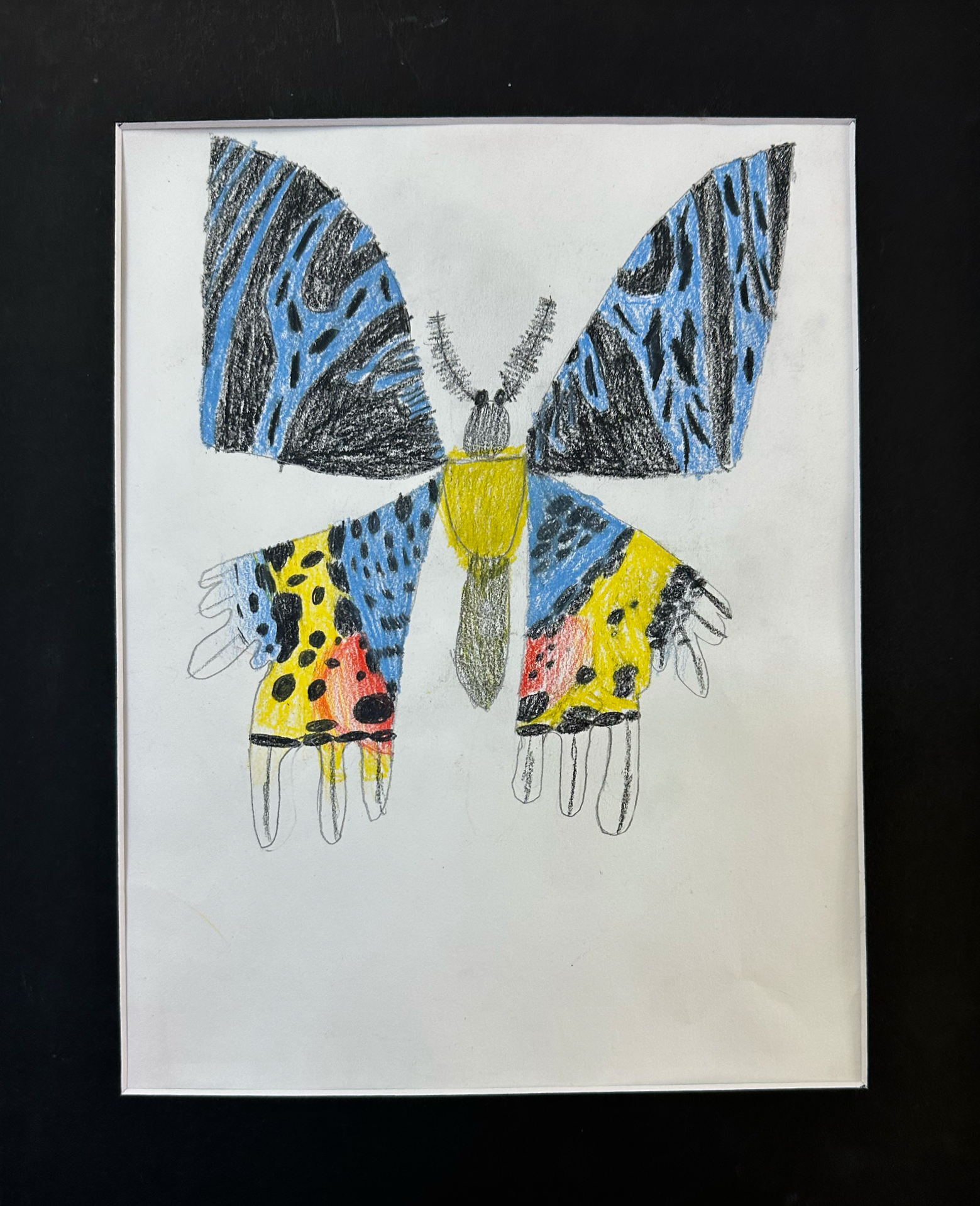
To build a sense of belonging, creativity needs to be shared and honored. Teaching each other, building each other up instead of competing is vital to this environment. The back and forth of sharing processes and discoveries while expanding on them is how creative spaces grow and thrive. A creative sanctuary allows students to step out of their armor, into the arms of a community that treasures their inner world.